Smart Gas Meters: Improving Safety and Billing Accuracy
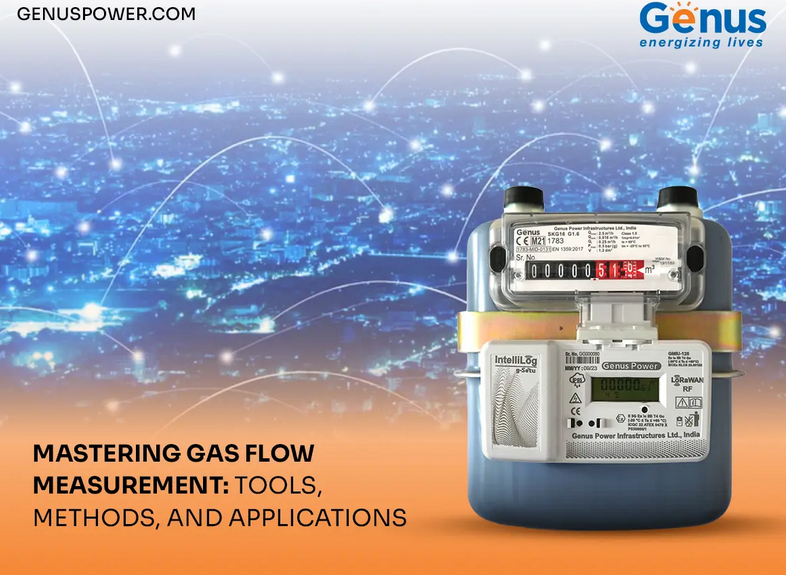
For a long time, a gas meter was just a box on the wall. A technician came by once a month, wrote down a number, and that number became your bill. If the number was wrong, you disputed it. If there was a leak, you found out later. The system worked, but barely.
Today, the gas meter has quietly become one of the most important tools for managing energy at home and across entire city networks.
The Old Way Had Real Problems
Traditional mechanical meters only did one thing: count how much gas passed through them. They could not send data, raise an alert, or tell anyone anything was wrong.
So billing was often based on estimates. Leaks went unnoticed for days or weeks, revenue disappeared in ways utilities could not explain, and customers had no way of knowing how they were using gas until the bill showed up.
Read More: Choosing the Right Digital PR Firm for Your Business
The difference between what was consumed and what was billed, a problem known as commercial loss, was a persistent drain on gas networks everywhere.
What a Smart Meter for Gas Actually Does
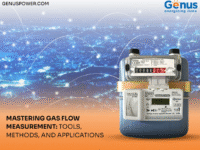
A meter for gas with smart technology does several things at once. It records consumption throughout the day using digital sensors and sends that data to the utility automatically, without anyone visiting the property.
But the real difference is what happens beyond the reading.
Smart meters track pressure and temperature. They notice unusual patterns, a sudden surge in usage, a drop in pressure, a flow that does not add up. When something looks off, the system flags it right away.
That move from passive counting to active monitoring is what sets smart gas metering apart from older technology.
A Big Step Forward for Safety
Gas leaks are not a billing inconvenience. They are a danger.
With older meters, a slow leak could go undetected for a long time. There was simply no way for the meter to communicate that something was wrong.
Smart meters track consumption patterns closely enough to catch the kind of deviation a leak causes. Many setups also include remote shut-off capability, so a utility can cut the supply the moment a threshold is crossed, without waiting to send someone out.
For apartment buildings, commercial kitchens, and industrial sites, this early-warning capability is not optional. It is essential.
Bills That Match What You Used
The most common complaint utility customers have is simple: the bill did not reflect what they thought they used.
With a Genus smart meter and similar devices, billing is built on actual consumption data recorded at regular intervals, not estimates or monthly snapshots. Every unit of gas is tracked and accounted for.
That means no more back-billing, no more guesswork, and no more disputes. Customers get a clear record, and utilities get clean data.
There is also a financial benefit that often goes unnoticed. Older mechanical meters wear down over time and begin under-recording, which means utilities quietly lose revenue. Smart meters catch this before it becomes a serious problem.
Better Data for the Whole Network
When consumption data comes in from thousands of meters at once, it becomes something far more useful than a billing record.
Read More: NSDL IPO A New Era for India’s Capital Market Infrastructure
Utilities can see where demand is highest and when. They can spot pressure anomalies in a section of pipeline before it fails, and schedule maintenance based on what the data shows rather than fixed timelines.
This turns gas distribution from a reactive operation into a proactive one. Problems get caught early, costs go down, and infrastructure lasts longer.