The Impact of Self-Storage Growth on Regional Economies
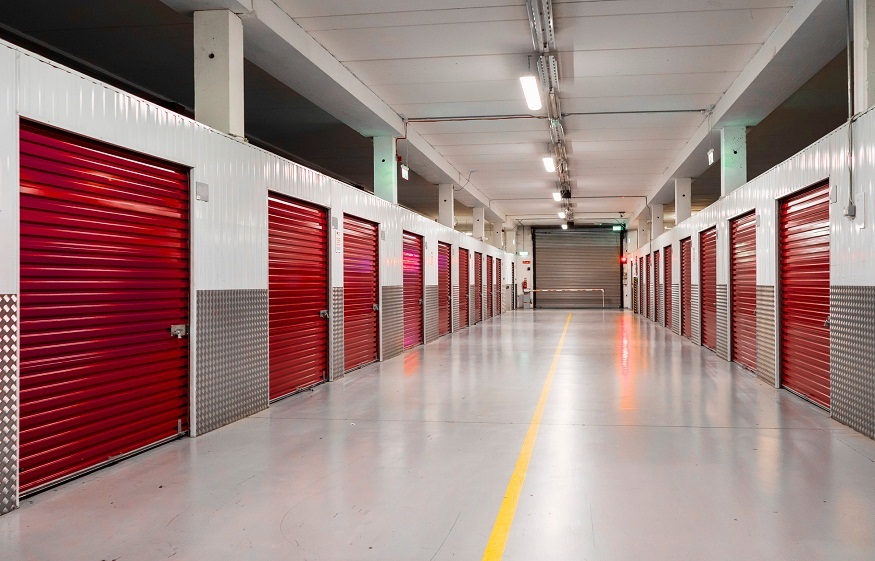
Storage buildings multiply across America every year. Orange doors, gray walls, and security fences mark the landscape from rural highways to urban centers. Behind this growth lies billions in economic activity that most people never consider.
Job Creation Beyond the Obvious
A storage facility looks simple enough. Some buildings, a fence, maybe an office. But employment spreads like tree roots underground. Start with direct hires. Managers run daily operations. Maintenance guys fix broken doors. Someone watches security cameras at night. Five or six paychecks per location seems standard. Now zoom out. Who built that facility? Construction workers earned months’ worth of wages. Electricians ran miles of wire. Concrete trucks rumbled in and out for weeks.
The spending continues after opening day. Air conditioners break in July. Roofs leak after storms. Asphalt cracks every winter. Local contractors stay busy year-round. Then consider the service economy. Pest control technicians spray for bugs. Office cleaners come twice a week. Snow removal crews clear lots before dawn. Accountants crunch numbers quarterly. Every facility feeds dozens of local businesses.
Read More : Choosing the Right Digital PR Firm for Your Business
Moving companies love storage growth. Customers rent trucks constantly. Professional movers book more jobs. Packing supply stores sell more boxes and tape. Gas stations near facilities see steady traffic. The economic web spreads wider than anyone tracks.
Tax Revenue and Property Development
Counties and cities collect serious money from storage properties. Property taxes alone bring in thousands annually per facility. Business licenses add more. Sales tax from packing supplies keeps trickling in. Schools get funded. Roads get paved. Police departments buy equipment.
Empty land becomes valuable when developers arrive. That abandoned factory rusting away for decades? Now it generates tax revenue. The weed-covered lot beside the interstate? Transformed into commercial property worth millions. Property values shift after successful facilities open. The empty storefront next door suddenly attracts tenants. That struggling strip mall gets new life. Gas stations and convenience stores pop up nearby. Towns compete for storage development now. City councils understand the math. Stable businesses that survive recessions look attractive. People might skip vacations during tough times, but they keep paying for storage.
The Secondary Market Economy
Abandoned units fuel an entire ecosystem. Every month, facilities auction contents when renters disappear. Buyers spread these goods throughout communities like seeds on the wind. Flea market vendors stock tables. Thrift stores fill racks. Online sellers ship packages daily. Antique dealers discover inventory. Small retailers find products below wholesale. Goods circulate endlessly, generating sales tax at each stop.
Modern technology amplified this market. Self-storage auctions on platforms like Lockerfox turned local events into regional opportunities. Buyers in Ohio bid on units in Pennsylvania. Sellers in Texas ship to customers in California. Geography matters less when everything happens online. Entrepreneurs build businesses from their phones. Part-time hustlers become full-time merchants.
Repair shops thrive on auction goods. Old dressers need refinishing. Broken electronics get fixed and flipped. Lawn mowers run again after new spark plugs. Skilled trades benefit from this constant flow of fixable items. Even junk haulers make money. Not everything has value. Someone pays to make trash disappear. Landfills and recycling centers process the waste. Every step involves workers earning wages.
Read More : Smart Gas Meters: Improving Safety and Billing Accuracy
Conclusion
Storage facilities pump money through regional economies in ways few recognize. Jobs multiply beyond the obvious. Tax dollars strengthen communities. Dead properties return to life. Secondary markets create entrepreneurial opportunities. Americans keep buying stuff while houses get smaller. Apartments lack basements. Garages overflow. This reality fuels continuous storage demand. Communities benefit from every new facility. Workers find employment. Governments collect revenue. Entrepreneurs discover opportunities. The growth shows no signs of stopping. Economic benefits will keep flowing to smart regions that welcome development.