The Science Driving Next-Generation Industrial Performance
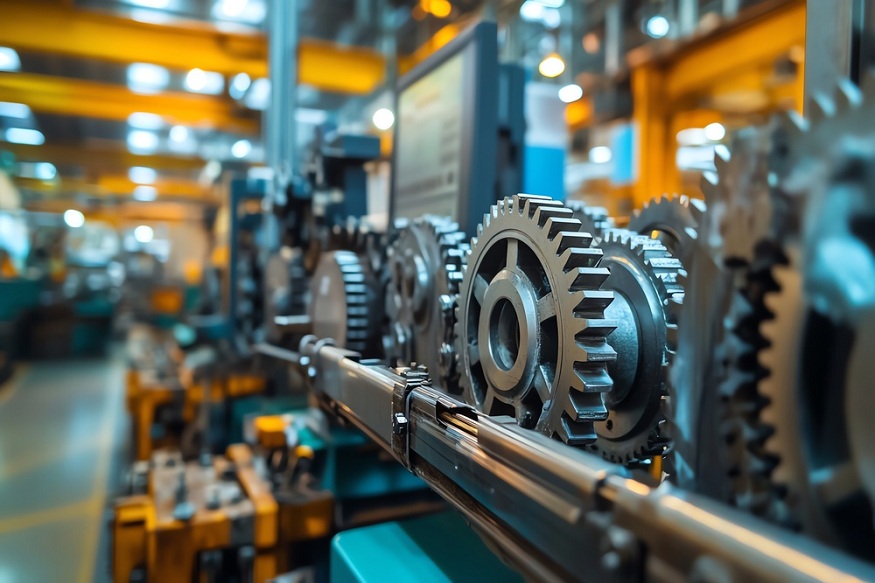
Factories operate differently now. You’ll see the changes in any modern plant. Fewer workers manage more machines. What previously took hours is now completed in minutes. Bins are nearly empty. These shifts reveal scientific breakthroughs redefining manufacturing.
Breaking Through Old Limits
Engineers used to accept certain truths. Steel had maximum strength limits. Waste was an unavoidable product of reactions. Some materials simply couldn’t exist because physics said no. Those truths fell apart with deeper research into matter. They found flexibility in physics laws. Materials scientists found new properties by arranging atoms differently. A metal alloy’s strength increased by 50% with new heat treatment. Chemists modified the molecular structure of plastics that softened at low temperatures, enabling them to endure extreme heat.
Computing power accelerated everything. Simulations replaced guesswork. Scientists predict outcomes before mixing chemicals. They digitally explore many options before lab-testing winners. Failed experiments became rare. Successful ones happened faster. This efficiency gap separates thriving companies from those falling behind.
Materials That Think and Adapt
Shape-memory alloys bend and return to their original shape when heated. Gels harden on impact, offering protection. Corrosion-sensing coatings automatically release healing agents. None of this is magic. It’s careful engineering at scales invisible to our eyes. Researchers program responses into materials by controlling their internal architecture. They create structures that collapse in specific ways or molecules that reorganize when triggered. The material “remembers” its instructions and follows them reliably.
Read More: Choosing the Right Digital PR Firm for Your Business
Military equipment showcased these advances first. Armor that hardens on impact. Seals that tighten under pressure instead of leaking. Now civilian industries adopt similar technologies. Car bumpers absorb more energy during crashes. Windows turn opaque for privacy, then clear again on command. Every month brings announcements of materials doing things that sound impossible, yet work perfectly.
Chemistry Gets Cleaner and Smarter
Old chemical plants resembled barely controlled chaos. Huge reactors. Toxic fumes. Mountains of sludge nobody wanted. Today’s facilities are highly precise. The transformation began with chemists’ ability to control reactions molecule by molecule. They mapped precise chemical pathways. Side reactions that created waste? Eliminated. Energy-hungry steps? Replaced with room-temperature alternatives. Dangerous solvents? Swapped for water or avoided entirely.
Fresh approaches to hydrocarbon processing demonstrate this evolution perfectly. Trecora demonstrates the potential of precision in the petroleum industry, converting fundamental hydrocarbons into specialized chemicals by capturing almost all molecular value. They make pure waxes, custom chemicals, and additives with little waste, showing profitable and responsible refining.
Digital Control Changes Everything
Numbers tell stories in modern factories. Thousands of sensors generate rivers of data. Software watches for patterns humans can’t see. A tiny vibration change signals bearing wear weeks before failure. Temperature fluctuations reveal efficiency losses. Pressure variations indicate leaks forming. Artificial intelligence turns this information flood into actionable intelligence. It adjusts processes continuously, hunting for optimal settings. Machine learning improves operations gradually, finding efficiency gains that add up to major savings. Yesterday’s best practices become obsolete as systems teach themselves better methods.
Read More: The Business Benefits of Custom Coaster Printing in a Competitive Market
Humans still matter, but their roles have shifted. Instead of watching gauges and turning valves, operators manage strategies. They set goals. Computers figure out how to achieve them. This partnership between human creativity and digital precision drives performance to levels that neither could reach alone.
Conclusion
Science handed industry a new toolkit, and smart companies grabbed every tool available. Materials that adapt, reactions that waste nothing, sensors that see everything; these capabilities stack and multiply. Each breakthrough enables others. Progress is accelerating. Tomorrow’s factories will make today’s advanced ones seem basic, thanks to scientists pushing limits and engineers applying their findings. The revolution isn’t coming. It’s here, transforming American manufacturing one innovation at a time.