How Investors Track Market Movements Through CFD Positions
Financial markets move rapidly, influenced by economic reports, global events, and shifts in investor sentiment. For investors, keeping track of these movements is essential for making informed decisions and identifying potential opportunities. While traditional investing often focuses on long-term asset ownership, modern traders frequently rely on more flexible tools that allow them to observe and respond to price changes in real time.
Contracts for Difference (CFDs) have become one of those tools. By allowing investors to speculate on price movements without owning the underlying asset, CFDs provide a practical way to monitor financial markets across multiple sectors. Through CFD positions, investors can analyse trends, evaluate market reactions to news, and stay closely connected to global financial activity.
Understanding CFDs and Their Role in Market Observation
Contracts for Difference are financial derivatives that allow traders to speculate on the price movement of an asset without purchasing the asset itself. Instead of owning stocks, commodities, or currencies, traders enter a contract that reflects the difference in price between the opening and closing of a trade. This structure allows investors to track how markets behave while maintaining flexibility in their trading approach.
One advantage of CFDs is their ability to mirror the price movements of various global markets. Investors can follow indices, commodities, currencies, or shares through a single trading platform, gaining exposure to a wide range of financial instruments. Many traders begin exploring these opportunities through platforms such as adss.com, where real-time data and market analysis tools help investors stay informed about current market activity.
Read More: Utah Asphalt Contractor Services for Durable and Long-Lasting Pavements
CFDs also allow traders to take positions in both rising and falling markets. When investors expect prices to increase, they can open a long position, while a short position allows them to observe or potentially benefit from declining prices. This dual capability helps investors track market direction and better understand how different economic conditions influence price behaviour.
Using CFD Positions to Monitor Market Trends
One of the key reasons investors use CFDs is the ability to monitor market trends across multiple sectors at once. Instead of focusing on a single asset class, traders can watch how various markets respond to economic developments. This broader view provides valuable context when evaluating the strength or weakness of certain industries or financial instruments.
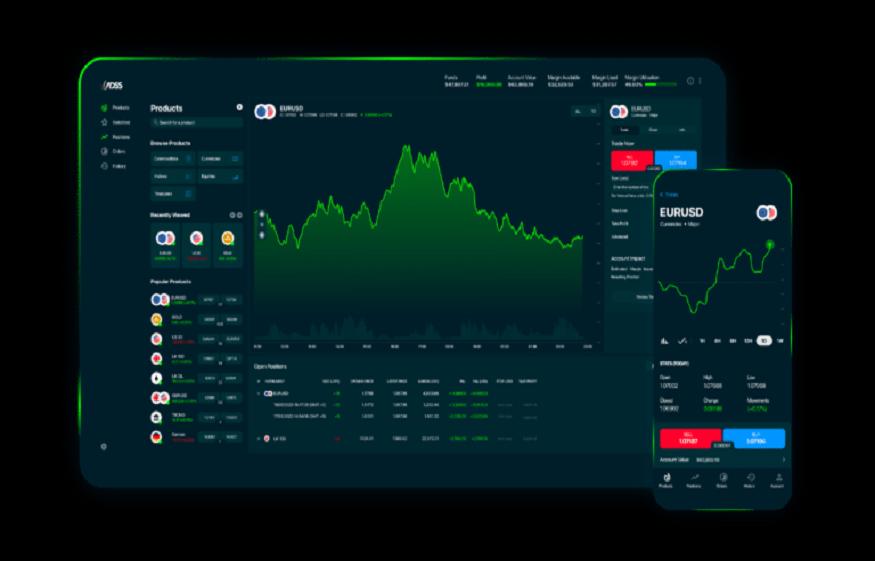
Real-time price charts and analytical tools available on CFD trading platforms make trend tracking more efficient. Investors can study price patterns, technical indicators, and historical performance to identify emerging market movements. Observing these signals through active positions often gives traders a clearer understanding of how markets respond to news and economic data.
CFDs also allow investors to stay involved with the market even with relatively smaller capital commitments. Because traders do not need to purchase the underlying asset, they can track several markets simultaneously. This flexibility helps investors build experience and deepen their understanding of global financial trends.
Read More: The Hidden Advantages of Choosing a Member-Owned Financial Institution
Risk Management While Tracking Market Movements
Although CFDs provide useful insights into market activity, they also involve significant risk. Many CFD trades involve leverage, which means traders can control larger positions with smaller amounts of capital. While this can increase potential gains, it also amplifies potential losses, making careful risk management essential.
One common strategy investors use is the placement of stop-loss orders. These automatic instructions close a trade when the price reaches a predetermined level, helping limit potential losses. By setting clear exit points before entering a trade, investors can observe market movements while maintaining better control over risk.
Diversification and position sizing also play an important role in responsible CFD trading. Instead of concentrating capital in one trade, experienced investors often spread their exposure across multiple markets. This approach reduces the impact of any single position while still allowing traders to monitor trends across different sectors.
Technology and Real-Time Market Insights
Modern trading technology has dramatically improved the way investors track financial markets. CFD platforms now provide advanced charting tools, customizable indicators, and real-time market data that allow traders to analyse price movements with greater accuracy.
Mobile trading applications have also made market monitoring more accessible. Investors can review positions, track price movements, and respond to market changes directly from their smartphones. This convenience ensures that traders remain connected to financial markets even when they are away from their desks.
Integrated news feeds and economic calendars further enhance the ability to interpret market behaviour. Major announcements such as interest rate decisions, employment reports, or geopolitical developments can trigger rapid price changes. By combining real-time information with analytical tools, investors gain a deeper understanding of how and why markets move.
Conclusion
Tracking market movements effectively requires more than simply watching price changes. Investors benefit from tools that allow them to analyse trends, monitor volatility, and understand how different economic factors influence global markets. CFDs provide a flexible way to achieve this by offering exposure to a wide range of financial instruments without requiring ownership of the underlying assets.
When used responsibly, CFD positions can serve as a valuable method for observing financial market behaviour. Combined with strong risk management and continuous learning, this approach helps investors stay informed, adapt to changing conditions, and develop a deeper understanding of the forces that shape modern financial markets.