What Happens to Spent Catalyst After a Change-Out? Handling, Storage, and Recycling Best Practices
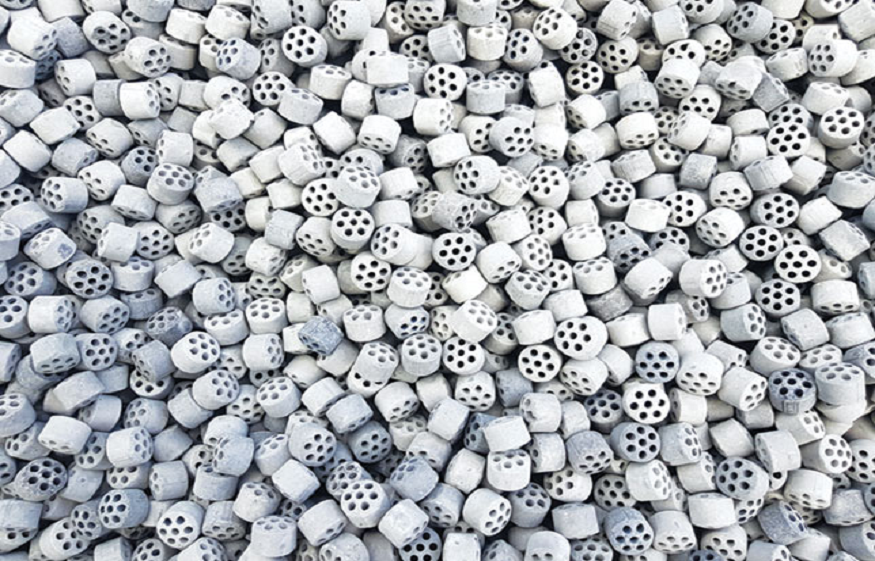
Catalyst change-outs happen all the time in industrial operations. They’re particularly common in refining, chemical processing, and environmental systems.
Most planning centers on one thing: get the old catalyst out, get the new one in, and restore performance as quickly as possible.
But there’s a whole other side to this process that doesn’t get nearly enough attention: what happens to that spent catalyst once it leaves the reactor?
That question might seem inconsequential compared to downtime concerns or production targets, but ignoring it creates problems.
Logistical headaches pile up. Safety risks emerge. And perhaps most surprisingly, leaving money behind!
Once a catalyst is out of service, you still need to manage handling, storage, transport, and recycling in ways that protect your workers, keep you compliant, and preserve any remaining material value.
Handling, Storing, and Recycling Spent Catalyst
Below, we’ll cover what comes next to help your team dodge expensive mistakes and keep your projects on track.
Immediate Handling After Removal
The moment a catalyst gets pulled from a reactor or system, safe handling becomes the priority.
Spent catalysts can carry all kinds of residual materials: hydrocarbons, toxic compounds, or other contaminants that demand controlled procedures.
You can’t just dump this stuff into a bin and call it done.
Most facilities rely on defined removal protocols that account for temperature, exposure risk, and dust generation.
Depending on what type of catalyst you’re dealing with, this might involve inerting procedures, cooling periods, or controlled discharge into sealed containers.
Some catalysts come out hot. Others generate hazardous dust when disturbed. Still others contain pyrophoric materials that can ignite on contact with air.
Handle things improperly at this stage, and you introduce safety hazards that put your crew at risk. You also complicate later recycling steps, which can cost you when it comes time to settle accounts.
Trained personnel and clear procedures make all the difference here. This isn’t the time to wing it or assume everyone knows what they’re doing.
Packaging and Storage
Storage is often necessary, especially during turnarounds or phased maintenance projects, where everything happens in stages.
You might pull catalysts out weeks before a recycling truck shows up. Or maybe you’re coordinating multiple units and need to consolidate material before transport.
Either way, how you package and store spent catalysts during this interim period plays a major role in safety and settlement outcomes.
Best practices usually include a few core steps:
- Use approved containers: drums, supersacks, or lined boxes designed for this purpose. Random containers or repurposed packaging invite contamination and create liability.
- Label everything clearly with catalyst type and any known contaminants. A drum that just says “spent catalyst” tells nobody anything useful six weeks from now when someone needs to figure out what’s inside.
- Moisture exposure matters too, particularly when dry weight factors into settlement calculations. Water adds weight without adding value, and nobody wants to pay for water when they think they’re buying metal content.
Some catalysts also react poorly to moisture, which creates additional safety concerns during storage.
- Keep different catalyst types separate. Don’t mix materials just because they’re all “spent catalysts.” Cobalt-moly hydrotreating catalysts shouldn’t share space with precious metal reforming catalysts.
Mixed materials complicate sampling, reduce recovery efficiency, and often result in lower settlement values. Even temporary storage decisions ripple through to final outcomes.
Transportation and Chain of Custody
Transport involves more complexity than a quick move from your facility to a recycling center.
Depending on composition, spent catalysts may fall under specific transport regulations or hazardous material guidelines.
Some require placarding. Others need specific documentation or trained haulers. Skipping these steps opens your facility to regulatory issues and potential fines.
A clear chain of custody helps you track where material goes, how it gets handled, and who takes responsibility at each stage.
This documentation supports internal accountability and reduces your risk exposure if questions pop up later:
- Did the material leave your site?
- When?
- Who signed for it?
- What condition was it in?
These details matter, especially when settlement negotiations begin or if regulatory questions arise.
A structured transport plan also minimizes delays during shutdowns, when every hour counts and multiple contractors compete for limited site access.
The last thing you need during a tight turnaround is a truck that can’t get on-site because nobody coordinated timing or gate access.
Plan ahead, communicate clearly, and treat transport as part of the overall project timeline rather than an afterthought.
Recycling Practices for Spent Catalysts
Recycling represents the point where spent catalysts shift from liability to opportunity.
The specific pathway depends on catalyst chemistry, metal content, and contamination profile.
Not all recycling routes look the same, and choosing the right one matters.
Some catalysts contain precious metals (platinum, palladium, rhodium), which command high recovery value and justify specialized processing.
Others rely on base metals like nickel, cobalt, molybdenum, or vanadium. These still hold value, but recovery methods differ, and economics change.
Thermal treatment, chemical separation, and specialized refining: each approach suits different catalyst types and levels of contamination.
Proper preparation before recycling improves outcomes across the board.
Clean, well-documented material becomes easier to sample, simpler to process, and settles more fairly. Recyclers can work faster when they know what they’re dealing with upfront.
Conversely, mystery material that arrives with minimal documentation or mixed contamination slows everything down and often results in conservative settlement offers that protect the recycler but shortchange the facility.
Think about it from the recycler’s perspective.
Would you rather receive ten drums clearly labeled with catalyst type, metal content estimates, and contamination notes? Or would you prefer ten unmarked containers filled with unknown materials that require extensive testing before processing can even begin?
The answer seems obvious, yet facilities routinely send poorly documented material and then wonder why settlement values disappoint.
Why You Need to Plan Beyond Catalysts
Here’s something many facilities overlook: catalyst change-outs rarely happen in isolation. Maintenance work, equipment replacement, and system upgrades often generate additional metal waste at the same time.
You might pull catalyst while also replacing reactor internals, swapping out piping, or retiring old heat exchangers.
After catalysts get removed and secured, facilities often need to manage additional metal waste. This guide to commercial scrap metal pickup and recycling explains how businesses handle those materials and coordinate removal across different waste streams.
Recognizing this overlap helps teams plan removal more efficiently.
Instead of scheduling separate pickups for catalysts and scrap metal, coordinate both.
You can avoid site congestion by limiting the number of trucks competing for access. Keep different waste streams organized so nothing gets mixed or misidentified.
A little foresight at the planning stage prevents headaches during execution.
4 Common Traps to Avoid with Spent Catalysts
Several issues tend to surface when post-change-out planning falls short—here are four of the most prominent.
1. Mixing Materials
First, mixing catalyst materials with general scrap remains surprisingly common.
Someone tosses spent catalyst into a scrap bin because it looks like metal waste, and suddenly, you’ve contaminated both streams.
The catalyst loses value because it got mixed with random scrap. The scrap becomes harder to process because it now contains catalyst contaminants.
Everyone loses.
2. Underestimating Storage
Facilities routinely underestimate storage needs during extended shutdowns.
You plan for a two-week turnaround, pull all your catalyst, then discover the shutdown extends another three weeks.
Now you’ve got material sitting on-site longer than anticipated, taking up space you need for other activities and potentially creating safety or environmental concerns.
3. Incomplete Documentation
Incomplete documentation complicates settlement. When recyclers receive material with minimal paperwork, they have to make assumptions or conduct extensive testing.
Both scenarios typically result in lower settlement offers as recyclers protect themselves against unknowns.
4. Lagging Pickup
Delayed pickup disrupts site access or safety.
Material sits around longer than planned, gets in the way, creates trip hazards, or ties up space needed for other work.
All of this becomes avoidable when facilities understand the full lifecycle of spent catalysts rather than just focusing on the moment they leave the reactor.
Integrating Catalyst Recycling Into Maintenance Planning
Facilities that treat catalyst recycling as part of maintenance planning experience smoother projects overall.
If operations, maintenance, and recycling partners organize early on, they can reduce last-minute decisions and support cleaner execution.
Nobody scrambles at the end trying to figure out what to do with spent material.
This approach also allows teams to align catalyst recycling with broader waste management efforts, which creates consistency across industrial operations.
The same planning mentality that guides other aspects of your turnaround can extend to catalyst handling and recycling.
Your key takeaways are:
- Set expectations early
- Communicate clearly
- Document thoroughly
- Execute according to plan
Final Thoughts on Recycling Spent Catalysts
Spent catalysts still need your attention after removal.
Handling, storage, transport, and recycling all play roles in protecting value, maintaining compliance, and keeping facilities safe.
But the thing is, none of these steps happens automatically. Similarly, none should be treated as minor details that sort themselves out.
When you plan for what happens after a catalyst change-out, your industrial team gains more control over outcomes and evades unnecessary disruption.
That predictability saves time, reduces risk, and often improves settlement outcomes, all of which make your next turnaround run a little smoother than the last one.
Contact the scrap metal removal experts at Scrap Gators to discuss spent catalyst recycling in more detail.